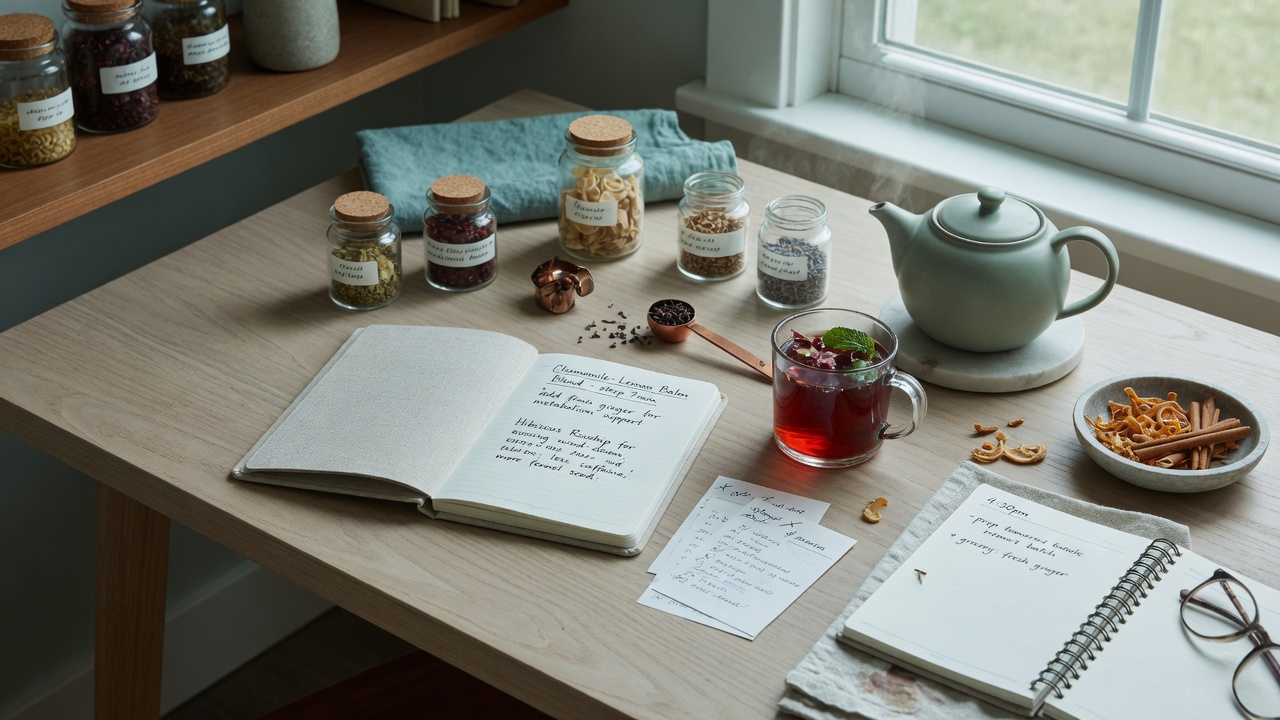
herbal tea recipes
Herbal Tea Recipes
A plain 2026 look at herbal tea recipes for busy adults over 40. What it is, who it fits, and who should skip it.
Why most herbal tea recipe pages miss adults over 40
Ranking pages often assume leisurely kitchen time, specialty kettles, and open-ended “wellness” language. Busy adults after 40 usually need the opposite:
- A repeatable cup between meetings, not a 30-minute ritual
- Pre-portioned dry blends that survive a work bag
- Clear caffeine boundaries so sleep does not collapse
- Honest limits: tea is optional structure around food and movement, not a cure
The gap this page closes is time-budget realism. If a recipe cannot run in a travel mug with office hot water, it does not belong in a weekday stack.
The Desk-Day Tea Framework (busy adults 40+)
Think in three layers you can remember without an app.
1. Non-negotiables first (before any blend)
- Protein at two meals — stabilizes energy better than another flavored cup.
- A walk block — even 10–15 minutes after lunch beats hoping tea “burns” anything.
- Sleep window — cut higher-caffeine cups after mid-afternoon if you wake at night.
Herbal tea recipes sit on top of those basics. If the basics are missing for a full week, fix them before shopping for new tins or programs.
2. Base + star + accent (under 5 minutes)
| Layer | Role | Desk-friendly examples | Amount |
|---|---|---|---|
| Base | Body and volume | Peppermint, lemon balm, rooibos, chamomile | 2–3 tsp dried or 4–6 fresh leaves |
| Star | Main flavor or warm note | Ginger, turmeric, cinnamon | ~1 tsp |
| Accent | Aroma / balance | Cardamom, orange peel, lavender pinch | Pinch only |
3. Equipment that fits a drawer, not a showroom
- Insulated travel mug with a removable infuser basket
- One small tin per blend (or a 7-day strip of snack bags)
- Office hot-water tap or a kettle with auto-shutoff
- Optional: paper filters if loose leaf sheds grit
No specialty steamer, no multi-step decoction, no “must steep 40 minutes” recipes for workdays.
Five practical herbal tea recipes for packed calendars
Times assume hot water is already available.
1. Morning Focus (gentle start)
Lemon balm base + ginger star + pinch cinnamon. Prep ~4 minutes. Low stimulation; pairs with breakfast protein.
2. Mid-Afternoon Reset (slump window)
Peppermint base + turmeric star + cardamom accent. Prep ~3 minutes. Caffeine-free option when the 2–4 p.m. dip hits.
3. Evening Wind-Down
Chamomile base + lavender accent (go light—lavender can taste soapy if heavy). Prep ~5 minutes. Keep this cup free of green tea or strong ginger if sleep is fragile.
4. Green variation (limit if caffeine-sensitive)
Sencha or similar green base + mint star. One cup earlier in the day only. After 40, many people notice sleep cost faster than they did in their twenties.
5. Spiced Comfort (cooler months or long calls)
Rooibos base + star anise + orange peel. Naturally caffeine-free; feels “finished” without sugar if you steep fully.
Decision table: which blend fits your day
| Time of day | Energy need | Recommended blend | Prep time | Caffeine? |
|---|---|---|---|---|
| 7–9 a.m. | Gentle focus | Morning Focus | ~4 min | Low / none (if pure herbal) |
| 2–4 p.m. | Avoid slump | Mid-Afternoon Reset | ~3 min | None |
| After 7 p.m. | Wind down | Evening Wind-Down | ~5 min | None |
| Travel day | Minimal gear | Any pre-tinned blend + hot water | ~3 min | Match the tin |
| Poor sleep week | Protect nights | Rooibos or chamomile only after noon | ~5 min | None |
Busy-adult layer: a realistic week without heroics
Sunday (15 minutes): Mix three tins—AM focus, PM reset, evening wind-down. Portion enough for five workdays.
Weekday pattern:
- Morning cup with or after breakfast protein
- Water bottle as default; tea as the flavored slot
- Afternoon cup instead of a second pastry run when stress spikes
- Evening cup only if it replaces grazing, not if it delays bedtime
Travel / long-hour days: Pre-portioned tins + hotel or office hot water beat buying sweetened café drinks “because there was nothing else.”
What “progress” can mean here: steadier hydration, fewer impulse calories from sweet drinks, a calmer afternoon ritual. What it does not mean: guaranteed fat loss, melted belly fat, or lab-proven metabolic overhaul from leaves in a mug.
Who should wait (do not buy or escalate yet)
Be blunt with yourself if any of these apply:
- Under 40 with no clear need — you may not need a program or a specialty tea stack; basics may be enough.
- You want medical treatment — symptoms, medication changes, or diagnosed conditions belong with a clinician, not a recipe post.
- You expect 48-hour miracles — scale swings, “support healthy habits over time,” or cure-style promises are a hard pass.
- Unreviewed medications or pregnancy — many herbs interact with drugs or are inappropriate without clearance.
- Basics not tried for even one week — protein, walking, and a sleep window first.
- Capsule-only mindset — if you are hunting “best capsule for weight loss” as a sole strategy, tea recipes will not satisfy that intent; pills are a separate decision with separate risks.
- Unwilling to follow any schedule — structured plans fail when the calendar is ignored; save your money.
Who might reasonably consider more structure
- Adults over 40 with inconsistent meals and a willingness to try ~21 days of clear rules
- People who already hydrate and walk but still want fewer daily food decisions
- Readers okay with short-term meal-replacement-style phases and honest variability in results
If that is not you, stay with the free framework above.
Common mistakes after 40
- Steeping strong ginger or green tea late and blaming “aging” for insomnia
- Adding sugar, syrups, or creamers until the cup matches dessert calories
- Collecting twelve tins and using none on busy Tuesdays
- Treating tea as meal replacement without enough protein
- Stacking unvetted herbs with prescriptions
- Jumping to capsules or multi-product stacks before a boring routine works
FAQ
Can herbal tea replace meals?
No. These herbal tea recipes are beverages for hydration and routine. They are not meal replacements. After 40, under-fueling often backfires as low energy and later snacking.
How much caffeine is sensible after 40?
Tolerance is individual. Start with one low- or no-caffeine cup and watch sleep. Move any green-tea variation earlier in the day if you wake at night.
Will these recipes cause weight loss?
Not by themselves. Tea may help if it replaces higher-calorie drinks and supports a calmer routine. Sustainable weight management still depends on overall intake, protein, movement, and sleep. Results vary. No honest page can promise fat loss from steeping leaves.
What if I travel or work long hours?
Pre-portion dry blends in small tins and use a travel mug. Most desk recipes need only hot water. Skip fragile fresh-herb builds on flight weeks.
Are there side effects or interactions?
Some herbs can interact with medications or upset the stomach in larger amounts. Check with a healthcare professional before regular use—especially if you take prescriptions, are pregnant, or manage a condition.
What about herbal tea recipes for weight loss?
Same core intent as herbal tea recipes for busy adults over 40—this page covers it. Pair any cup with protein, walking, and sleep. Educational only; not medical advice.
What actually helps with herbal tea recipes after 40?
Consistency and constraints: Sunday batching, a drawer kit, caffeine timing, and lifestyle basics. Not miracle claims, not twelve unused tins.
How long until I notice anything?
Results vary. Many people track energy, bloating comfort, and drink choices for 7–14 days before judging the habit. Scale change is not the primary job of tea.
Is a structured plan required?
No. Start with habits. Consider a short structured food plan only if daily eating stays chaotic after basics are in place.
Who should wait?
Anyone wanting guarantees, anyone with medical red flags not reviewed by a professional, anyone expecting overnight change, and anyone who has not tried protein + walking + sleep for a week.
Do I need lose weight capsules if I use herbal tea?
No. Lose weight capsules and herbal tea are different tools. Tea is a beverage habit; capsules are supplements with their own labels, interaction risks, and uneven evidence. This page does not rank or recommend capsules. If you are considering pills, talk with a clinician first—especially after 40 or on medication—and do not stack random capsules with unvetted herbs.
What is the best capsule for weight loss?
There is no universal best capsule for weight loss. Needs, health history, and medications differ. Marketing lists rarely match individual safety. This article focuses on herbal tea recipes and routine design, not capsule rankings. Treat “best capsule” claims with skepticism; ask a qualified professional before starting any supplement.
What are the best capsules for weight loss after 40?
Best capsules for weight loss searches usually want a shortcut. Honest answer: no capsule replaces calorie balance, protein, walking, and sleep, and “best” is not a single SKU for every adult over 40. Prefer medical guidance over social-media stacks. Use the tea framework here for a low-risk routine layer; keep capsules as a separate, clinician-reviewed decision—or skip them entirely if basics are not stable yet.
Can I combine tea habits with a short smoothie-style plan?
Some people do: tea for weekday ritual, a time-boxed smoothie schedule when they want fewer food decisions for a few weeks. That is optional structure only. It is not required for tea to be useful, and it is not a clinical protocol.
More in Tea, juice & bloating after 40
Full topic hub →- Best Tea for Water Weight: What Helps and What to SkipNo tea flushes out water weight. What the NHS and NIH say about green, dandelion, liquorice and senna teas, and what actually eases fluid build-up.
- Protein Smoothie Without Protein Powder: 4 Recipes, 28-36 GramsFour protein smoothies made with yogurt, milk, tofu, and seeds instead of powder, with a table of which foods add the most protein, from USDA data.
- Green Tea Anti Inflammatory After 40: A Busy-Adult Desk GuideGreen tea anti inflammatory basics for busy adults over 40—one lunch-break window, what to skip, who should wait, and when a structured smoothie plan fits.
- Best Tea for Weight Loss at Night After 40: A Calm, Practical GuideBest tea for weight loss at night after 40—sleep-safe picks, timing rules, and a simple desk-to-bed routine. Not a miracle; see who should wait.