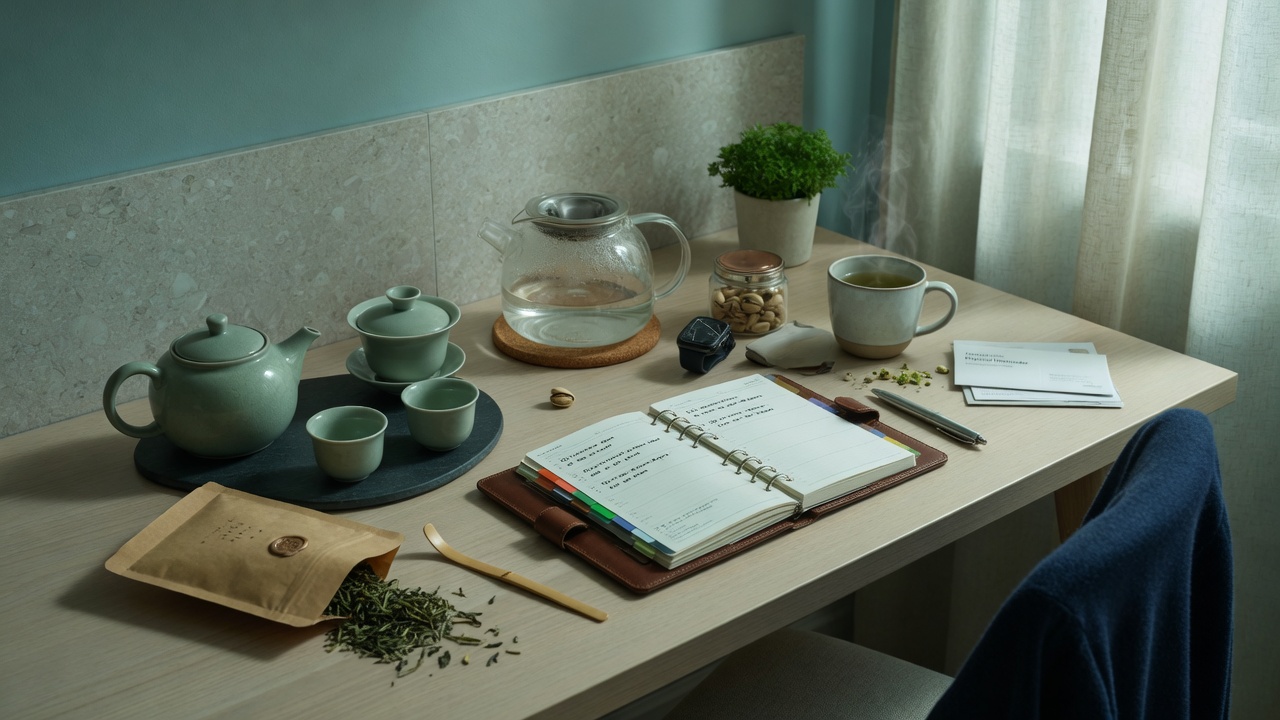
high quality green tea
High Quality Green Tea After 40: A Practical Guide for Busy Adults
How to spot high quality green tea after 40—freshness, bags vs loose, brew timing for desk days, and when a simple routine beats random sips.
Short answer
If you are a busy adult over 40 researching high quality green tea, treat it as an optional support — not a fat-loss mechanism. A useful dose fits a desk day in under 15 minutes and does not replace protein, walking, or sleep. Skip it if you want guaranteed scale change, are on unreviewed medication, or have not tried basics for a week. Next step: run the fit filter below; only then decide whether a structured offer is even relevant.
Short answer: what “high quality green tea” actually means after 40
High quality green tea is fresh, clean-tasting leaf (or well-sealed bags) with a harvest/pack date you can trust, minimal dusty fannings when you open the package, and a brew that stays smooth—not harsh—when you use cooler water and a short steep. For busy adults over 40, “quality” is less about luxury branding and more about repeatable desk ritual: decent leaf, simple gear, a caffeine window that does not wreck sleep, and a habit you can keep on workdays.
Most ranking pages stop at brand lists or pretty product grids. They under-serve the real job: choosing tea you will actually drink between meetings, without bitterness, stomach irritation, or another abandoned “healthy” purchase.
How we researched this
We mapped the live SERP for “high quality green tea” (specialty shops, Reddit buying threads, taste-test roundups, bagged collections). We noted gaps: thin guidance for busy desk schedules, almost no after-40 framing, weak decision tables, and little honesty about when tea alone is not a weight-management plan. For the related program mentioned later, we reviewed the public offer positioning only (21-day structured smoothie schedule, lifestyle framing, refund language on the sales page). Vendor claims are treated as marketing claims, not clinical proof. We do not invent studies, FDA approvals, or guaranteed outcomes.
Why quality matters more when you are busy and over 40
After 40, many adults are juggling full-time work, family logistics, and less patience for complicated wellness projects. Green tea shows up in that life as:
- A lower-drama alternative to a third coffee
- A warm “reset” between back-to-back calls
- A small consistency cue when meals get chaotic
What quality changes in practice:
- Taste compliance — If it is grassy-bitter every time, you stop.
- Caffeine predictability — Better leaf and consistent brew strength beat random “strong bag” days that spike jitters.
- Stomach comfort — Over-hot water and over-steeping are common desk mistakes.
- Money — Cheap stale tea is not a bargain if half the box goes unused.
High quality is a habit enabler, not a miracle lever.
The 6-point desk test for high quality green tea
Use this before you buy bulk or subscribe.
- Date & storage story
- Leaf integrity (loose) or cut grade (bags)
- Origin / style clarity
- Aroma when you open it
- Brew forgiveness
- Your constraints match
Freshness, origins, and flavor profiles (without the snobbery)
Green tea is tea leaf heated quickly after harvest to limit oxidation. “Premium” usually tracks cultivar + harvest timing + handling, not a single global score.
Common styles busy adults actually finish:
| Style | Flavor snapshot | Desk-day notes |
|---|---|---|
| Sencha (Japanese) | Grassy, bright, sometimes marine | Great morning cup; easy to over-steep |
| Dragonwell / Longjing (Chinese) | Nutty, chestnut, smoother | Often more forgiving for new drinkers |
| Genmaicha | Green tea + toasted rice | Cozy, milder “tea intensity”; nice afternoon bridge |
| Jasmine green | Floral aroma over green base | If you dislike plain green, this improves adherence |
| Matcha (stone-milled) | Thick, rich, caffeinated | Different product: you ingest the leaf powder; portion carefully |
| Flavored bagged greens | Fruit/spice forward | Convenience win; check ingredients if you want mostly tea |
- Color in cup: lively yellow-green to jade (style-dependent), not dull brown soup from abuse
- Second steep possible with many loose leaves (value + lower bitterness if first steep was short)
- No need for sugar to make it drinkable
You do not need a tea cellar. You need a sealed pouch, a cool cupboard, and a brew routine you can run in under three minutes.
Health-related expectations: keep them honest
People search “high quality green tea” alongside weight and energy goals. Stay in reality:
- Green tea is a flavored hydration + mild caffeine habit for many adults.
- Some research traditions and public health sources discuss green tea’s plant compounds and general dietary patterns; that is not the same as “drink this and fat leaves.”
- Any role in healthy weight management depends on overall eating pattern, protein/fiber intake, sleep, steps, and consistency—not a single beverage.
- Extract pills are not identical to brewed tea. “Green tea extract supplement for weight loss” marketing is a different risk/benefit conversation (dose, stomach, liver concerns for some concentrated products). Brewed tea and capsules are not interchangeable.
If your only change is swapping one soda for tea, that can be a useful swap. If the rest of the day is chaotic under-eating then late overeating, tea will not carry the plan.
Preparation tips for a perfect green tea at a real desk
Default busy-adult brew (bag or basket infuser):
- Heat water just under boiling—or boil then wait 2–3 minutes.
- 1 teaspoon loose (or 1 bag) per 8–12 oz.
- Steep 60–120 seconds first try; taste; only then go longer.
- Remove leaves/bag. Leaving a bag in the mug is how bitterness wins.
- Optional: thin lemon slice after steeping if you like brightness—skip heavy sweeteners if the goal is a cleaner habit loop.
Office constraints:
- No variable kettle? Use hot water, then a splash of room-temp water to drop temperature.
- Sensitive stomach? Drink with/after a small snack; avoid rock-empty stomach experiments on deadline days.
- Sleep guardrail: many adults over 40 feel better keeping caffeinated tea earlier (e.g., before early afternoon). Decaf green exists if you want evening ritual without the buzz.
Bags vs loose (decision shortcut):
- Best green tea bags win when you travel, share a kitchen, or will not clean a strainer. Choose brands with clearer leaf cut, tighter seals, and fewer mystery “natural flavors” if you want a cleaner cup.
- Loose leaf wins on freshness control and re-steeps when you already have a simple infuser mug.
- “Diet green tea” labels do not automatically mean higher quality—sometimes they mean flavoring and marketing.
Decision table: which path fits your next 21–30 days?
| Your situation | High quality green tea focus | Structured food plan needed? | Notes for busy 40+ |
|---|---|---|---|
| You only need a better daily drink | Buy fresh leaf/bags; fix brew temp/time | Not necessarily | Habit + hydration first |
| Energy crashes + skipped breakfasts | Morning tea ritual helps slightly | Often yes | Tea is not breakfast protein |
| Curious about weight management | Tea can support routine consistency | Usually yes if meals are unstructured | Look for plans with clear schedules |
| Hate cooking at night | Tea won’t solve dinner friction | Consider simple replace-one-meal frameworks | Judge by time cost, not hype |
| Caffeine/sleep issues | Try shorter steeps, earlier timing, or decaf | Separate issue | Protect sleep before adding stimulants |
| Want “set sequence” not random recipes | Tea remains a side habit | A dated multi-week schedule may fit | Fit filters beat willpower speeches |
Where a structured smoothie program may fit (editorial offer check)
Tea quality upgrades are often the easy first mile. Some readers then want a short, sequenced food structure because random healthy intentions collapse on busy weeks.
What we checked on the public Smoothie Diet positioning (category review, not a personal medical result):
- It is sold as a 21-day weight-loss and health-improvement program with smoothies in a specific sequence/frequency, not “just a random recipe PDF.”
- Messaging emphasizes structure similar to what the creator describes using with clients, plus lifestyle convenience.
- Public-facing materials stress energy and consistency themes; results vary, and transformation stories on sales pages are marketing anecdotes—not your outcome.
- Refund language is commonly promoted on the offer side as risk-reduction; always read the current terms on the official page before buying.
- What a busy adult still must do: follow the schedule, grocery shop, blend, and adjust if a clinician has dietary constraints. No program removes that work.
Claim boundaries we stay inside: lifestyle + structured plan positioning; may support energy and consistency for some users; supports healthy weight management only as part of overall habits—not guaranteed loss, not a drug, not a cure.
If you already like kitchen routines and only needed better tea, you may not need a program. If your pattern is “strong Monday, chaotic Wednesday,” a short structured sequence can be easier than open-ended advice.
Quiz: find your green tea + routine fit
Answer honestly—this is a sorting tool, not a diagnosis.
Quick check: is “high quality green tea” relevant for you?
4 taps · honest fit filter · result unlocks after email
Step 1 of 4
What’s your age band?
After your result: read this before you spend money
- Tea-first result: Spend on fresher leaf, a lidded infuser mug, and brew timing. Reassess in two weeks based on whether you still enjoy the cup.
- Routine-gap result: High quality green tea can stay in the morning, but the missing piece is meal structure—not a rarer cultivar.
- Sensitivity flags: If caffeine, reflux, or meds are in play, clear changes with a professional first.
Common objections (busy-adult edition)
“Is expensive tea required?”
No. Fresh mid-tier leaf stored well beats premium leaf left open beside the stove.
“Can I only drink green tea and expect weight change?”
Unlikely as a sole strategy. Sustainable patterns usually include food structure, protein, fiber-rich plants, steps, and sleep. Tea is a supporting habit.
“What about green tea extract?”
Different product class. Brewed tea is a beverage habit; concentrated extracts need more caution and professional guidance. This article prioritizes the drink you can prepare at a desk.
“I don’t have time for loose leaf.”
Then optimize bags and water temperature. Quality is the cup you will repeat, not the gear Instagram rewards.
“Are smoothie programs just liquid fad diets?”
Some are thin. Judge any plan by: schedule clarity, grocery realism, how evenings work, exit ramp after the program, and refund terms. Skepticism is reasonable—read the official page carefully.
FAQ
What is the simplest definition of high quality green tea?
Fresh leaf (or well-made bags), clear style labeling, clean aroma, and a cup that stays pleasant with moderate temperature and short steeping.
Is loose leaf always better than bags?
Often fresher and more flexible, but not always. A well-sealed bag you will use daily beats fancy loose leaf you never brew.
How much caffeine is in green tea?
It varies by style, amount, and steep time—generally less than a typical coffee serving, but still enough to affect sleep-sensitive adults. Treat timing as part of quality-of-life, not an afterthought.
Does high quality green tea help with weight loss?
It may fit a broader routine that supports healthy weight management (replacing sugary drinks, pairing with better meals). It is not a guaranteed fat-loss mechanism and should not be framed as one.
What should busy adults over 40 prioritize first—tea grade or meal structure?
If meals are irregular, structure usually moves the needle more. If meals are steady and you only hate your current tea, upgrade the tea.
Who should skip or delay caffeinated green tea?
Anyone advised to limit caffeine, people with relevant medical constraints, or anyone whose sleep collapses with afternoon cups—ask a clinician when unsure.
Who should buy a structured plan vs who should wait
Consider evaluating the official Smoothie Diet offer if:
- You want a time-boxed multi-day schedule rather than collecting random recipes
- Mornings are rushed and you like blender-based simplicity
- You already accept that results vary and habits still matter
- You will actually read instructions and shop for ingredients
Wait (or stick to tea-only upgrades) if:
- You have unresolved medical/diet restrictions and have not checked with a professional
- You are caffeine-sensitive and still sorting sleep
- You only needed better bags/loose leaf and a brew fix
- You want guaranteed numbers or “no effort” claims (those are red flags anywhere)
- You are not willing to follow a sequence for a few weeks
Closing: make quality useful
High quality green tea for busy adults after 40 is a freshness + brew + timing decision. Win the cup first. If the cup is solid but your weeks still have no food pattern, a short structured program is a different tool—judge it on fit and honesty, not hype.
Keep the ritual calm: cooler water, shorter steeps, sealed storage, earlier caffeine when sleep is fragile. That is the adult version of “best tea”—the one still on your desk next month.
FAQ
What actually helps with high quality green tea after 40?
Consistency, protein, walking, and simple tools — not miracle claims.How long until I notice anything?
Results vary. Track energy and habits for 7–14 days.Is a structured plan required?
No. Start with basics; evaluate a plan only if chaos continues.Who should wait?
Anyone wanting guarantees or with medical red flags unreviewed.More in Tea, juice & bloating after 40
Full topic hub →- Jasmine Green Tea Benefits: A Practical Guide for Busy Adults Over 40Practical, skeptical guide to jasmine green tea benefits for busy adults over 40. Habits first, offer second.
- Herbal Tea Recipes After 40 for Busy AdultsPractical herbal tea recipes and blending tips for adults over 40 with desk jobs. Simple routines that fit tight schedules.
- Green Tea Catechins After 40: Practical Guide for Busy AdultsGreen tea catechins explained for adults over 40 with busy schedules. How they may support weight management, realistic expectations, and when a structured plan fits.
- Best Green Tea for Health After 40 (Busy Schedule Guide)Practical picks and habits for busy adults over 40. See which green teas fit real desks, time budgets, and long-term health goals.